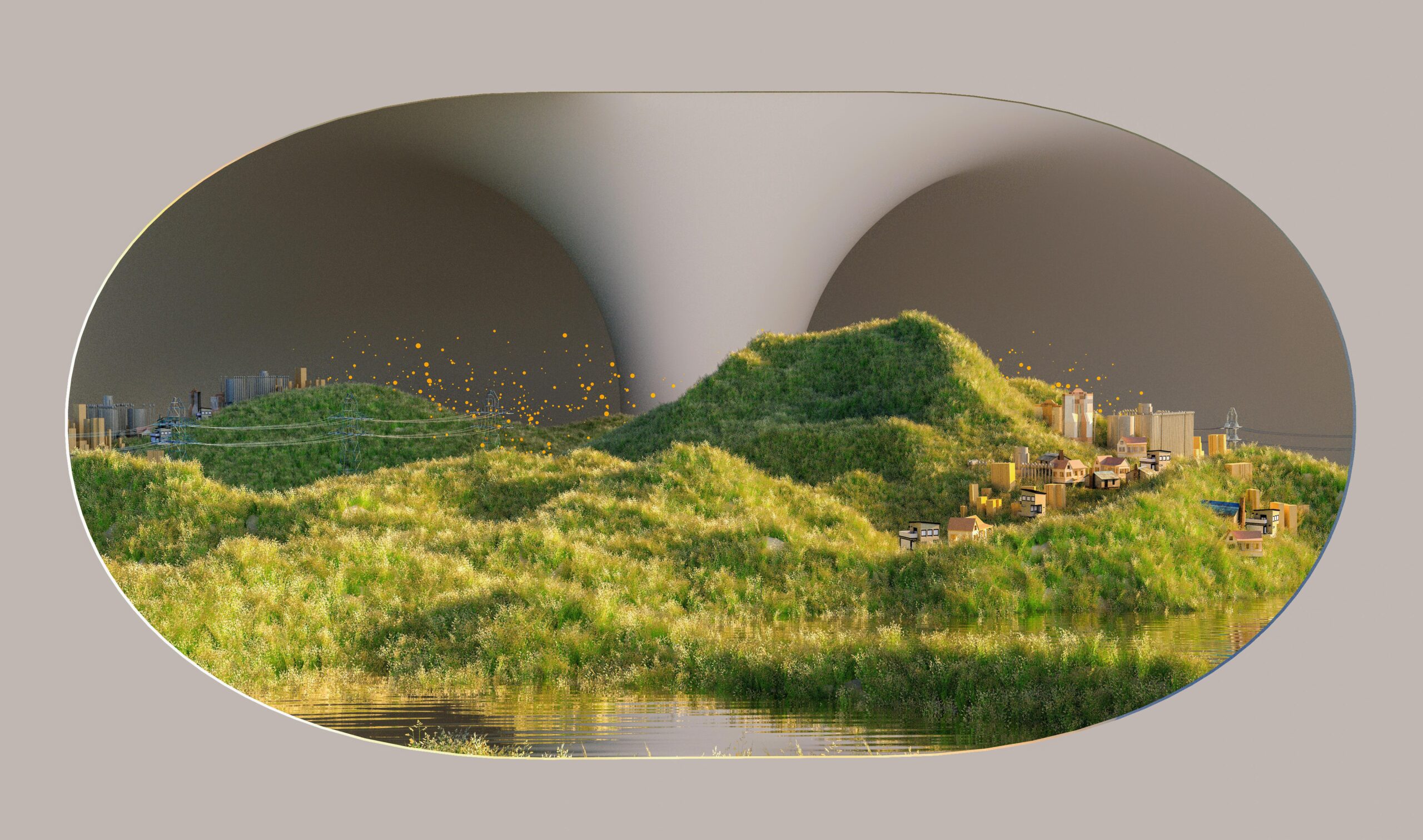
Human memory is not a static archive but a living, breathing tapestry woven through consciousness. Our experiences exist in layers, some accessible at will, others hidden deep within the recesses of our minds, waiting for the right key to unlock them.

Throughout history, cultures worldwide have recognized that altered states of consciousness offer unique pathways to these hidden memories. From shamanic journeying to meditative practices, from rhythmic drumming to repetitive chanting, humanity has developed countless techniques to access what lies beneath ordinary awareness. These practices suggest something profound: that our memories are not simply stored like files in a computer, but exist as dynamic experiences that can be re-entered, re-lived, and re-interpreted through specific states of consciousness.
🧠 The Neuroscience Behind Memory and Altered States
Modern neuroscience has begun to validate what ancient practitioners have known intuitively for millennia. When we enter trance states or engage in repetitive practices, our brain wave patterns shift significantly. The default mode network, responsible for our everyday self-referential thinking, quiets down, allowing access to different neural pathways and memory systems.
Research using functional MRI scans has revealed that during trance states, the hippocampus and amygdala, crucial structures for memory formation and emotional processing, show altered activity patterns. These changes create a unique neurological environment where memories that are typically difficult to access become more available to conscious awareness.
The theta brain wave state, particularly associated with deep meditation and trance, appears to be especially conducive to memory retrieval. This frequency range, between 4-8 Hz, is the same state we naturally enter during REM sleep when memory consolidation occurs. By consciously entering this state while awake, we create a bridge between conscious and unconscious memory systems.
Memory Systems and Conscious Access
Human memory operates through multiple systems: explicit memories we can consciously recall, and implicit memories that influence us without conscious awareness. Procedural memories, emotional associations, and somatic experiences often reside outside our immediate conscious access, yet they profoundly shape our behaviors, reactions, and sense of self.
Altered states provide a unique opportunity to access these implicit memory systems. Through trance and repetition, we can bring unconscious material into conscious awareness, transforming our relationship with past experiences and expanding our understanding of who we are.
🔄 The Power of Repetition as a Gateway
Repetition serves as one of the most accessible and powerful tools for inducing altered states and unlocking memories. Whether through repetitive movement, sound, breath, or visual focus, the act of repeating a single element creates a hypnotic effect that shifts consciousness.
Consider the practice of mantra meditation, where a single phrase or sound is repeated hundreds or thousands of times. This repetition isn’t monotonous but transformative. Each iteration deepens the trance state, progressively quieting the analytical mind and opening doorways to deeper awareness and memory.
Similarly, repetitive movement practices like ecstatic dance, Sufi whirling, or even modern techniques like bilateral stimulation used in EMDR therapy create rhythmic patterns that facilitate access to traumatic or difficult memories that might otherwise remain locked away.
Rhythmic Entrainment and Memory Access
The phenomenon of rhythmic entrainment explains why repetition is so effective. Our nervous systems naturally synchronize with external rhythms, whether auditory, visual, or kinesthetic. This synchronization creates coherence across different brain regions, facilitating access to distributed memory networks.
Drumming circles, for example, have been used across cultures for millennia precisely because the repetitive beat entrains brain waves, inducing trance states where participants often report vivid memories, visions, and insights emerging spontaneously.
📚 Cultural Traditions of Memory Retrieval
Indigenous cultures worldwide have developed sophisticated technologies of consciousness for accessing ancestral memories and personal experiences across the lifespan. These practices represent thousands of years of empirical research into the nature of consciousness and memory.
Australian Aboriginal dreamtime practices, for instance, use song lines that encode both geographical information and ancestral memories across thousands of years. Through altered states induced by repetitive chanting and ceremony, practitioners can access these memory archives, maintaining cultural continuity across generations.
Similarly, shamanic traditions from Siberia to the Amazon employ rhythmic drumming, plant medicines, and ritualized movement to facilitate soul retrieval and memory recovery. These practices operate on the understanding that traumatic experiences can fragment consciousness, leaving aspects of memory and selfhood dissociated from ordinary awareness.
The Akashic Records Concept
Many spiritual traditions speak of universal memory fields, cosmic archives where all experiences are recorded. While this concept exists beyond current scientific verification, it points to an important experiential reality: in deep trance states, people often access information that seems to transcend their individual biographical memory.
Whether we interpret this as accessing collective unconscious, genetic memory, or truly transpersonal fields, the phenomenological experience remains consistent across cultures and individuals. Altered states appear to unlock not just personal memories but potentially access deeper layers of human experience.
🧘 Practical Applications for Modern Life
Understanding memory as a living archive accessible through altered states has profound practical implications for contemporary healing, personal development, and cognitive enhancement. We need not travel to remote locations or engage in extreme practices to benefit from these insights.
Therapeutic applications have emerged that integrate these ancient understandings with modern psychology. Hypnotherapy uses guided trance states to help clients access and reframe traumatic memories. Eye Movement Desensitization and Reprocessing (EMDR) employs bilateral stimulation, a form of rhythmic repetition, to process difficult experiences and integrate fragmented memories.
For individuals seeking personal growth rather than therapy, practices like breath work, meditation apps with rhythmic guidance, and movement practices offer accessible entry points into altered states where memory exploration can occur naturally and safely.
Creating Safe Containers for Memory Work
Working with memory through altered states requires appropriate preparation and setting. The following elements support safe and productive exploration:
- Establishing clear intention before entering altered states
- Creating a physically comfortable and psychologically safe environment
- Starting with gentle techniques before progressing to more intensive practices
- Having integration support, whether through journaling, trusted friends, or professional guidance
- Respecting personal boundaries and not forcing memories that aren’t ready to emerge
- Understanding that not all memories need to be recovered for healing to occur
🎵 Sound, Music, and Memory Activation
Sound holds particular potency for memory activation. We’ve all experienced how a specific song can instantly transport us back to a particular time and place, complete with sensory details and emotional tones. This phenomenon reveals the deep connection between auditory processing and memory systems.
Binaural beats, isochronic tones, and other forms of brainwave entrainment use precisely calibrated sound frequencies to guide the brain into specific states associated with enhanced memory access. Research shows that theta-range frequencies particularly support the retrieval of autobiographical memories.
Traditional practices like Tibetan singing bowls, gong baths, and vocal toning create complex harmonic environments that facilitate altered states. The repetitive, resonant qualities of these sounds provide the rhythmic structure that enables consciousness to shift while offering enough variation to maintain engagement.
Music as Time Machine 🎼
Music therapy has documented the remarkable ability of familiar melodies to unlock memories in patients with Alzheimer’s disease and other forms of dementia. Even when other cognitive functions have severely declined, musical memory often remains intact, suggesting it’s encoded differently or more robustly than other types of information.
This resilience of musical memory offers clues about optimal encoding strategies for important experiences. Associating experiences with specific sounds, rhythms, or melodies may create more durable and accessible memory traces.
💭 Trance States Across the Spectrum
Altered states exist on a spectrum from light dissociation to profound mystical experiences. Understanding this range helps practitioners choose appropriate techniques for specific purposes.
Light trance states, like highway hypnosis or flow states during creative work, offer gentle access to associative memory networks. These states can facilitate creative problem-solving and insight by allowing unexpected connections between disparate memories and ideas.
Medium trance states, achieved through focused meditation or guided visualization, provide deeper access to emotional and somatic memories. In these states, we might recall childhood experiences with vivid sensory detail or access implicit memories stored in the body.
Deep trance states, whether induced through intensive breathwork, extended meditation retreats, or ceremonial contexts, can unlock profound biographical material and potentially transpersonal experiences. These states require careful preparation and often benefit from expert guidance.
🔬 The Science of State-Dependent Memory
State-dependent memory refers to the phenomenon where information encoded in one state of consciousness is more easily retrieved when returning to that state. This principle explains why memories formed during specific altered states might remain inaccessible during ordinary consciousness.
Research on state-dependent learning has shown that even subtle shifts in internal state—such as mood, physical environment, or level of arousal—can significantly affect memory retrieval. This understanding has practical implications for memory work.
If a memory was formed during a specific emotional state or level of consciousness, recreating aspects of that state may facilitate access. This doesn’t mean re-traumatizing oneself to access traumatic memories, but rather understanding that the internal landscape matters for memory retrieval.
Working With State-Dependent Processes
Practitioners can leverage state-dependent memory through several approaches. Creating ritual spaces that consistently induce similar states can help access memories encoded during previous sessions in those spaces. Using specific music, scents, or physical postures associated with memory exploration can serve as anchors that facilitate returning to productive states.
🌟 Integration: Making Meaning from Recovered Memories
Accessing hidden memories through altered states is only the first step. The crucial work lies in integration: making meaning from these experiences and incorporating insights into everyday life. Without proper integration, even profound memory retrieval remains disconnected from ongoing life.
Integration practices include journaling immediately after memory work, discussing experiences with trusted others, creative expression through art or movement, and gradually implementing behavioral changes based on new understandings.
It’s important to recognize that memories accessed during altered states may have different qualities than ordinary recall. They might be more symbolic, emotionally charged, or fragmented. These memories serve not as perfect historical records but as meaningful material for psychological work and personal growth.
The Malleable Nature of Memory
Modern memory research reveals that every act of remembering is also an act of reconstruction. Memories are not static recordings but living processes that change each time we access them. This malleability is particularly pronounced during altered states, where memories may become more plastic and subject to reinterpretation.
This quality isn’t a flaw but a feature. It allows us to heal traumatic memories by accessing them in safe contexts where new information and perspectives can be integrated. The goal isn’t necessarily recovering memories with forensic accuracy but rather developing a more complete and compassionate relationship with our past.
🌈 Ethical Considerations and Cautions
Working with memory through altered states requires ethical awareness and appropriate caution. The power of these techniques brings responsibilities for both practitioners and individuals engaging in self-directed exploration.
The phenomenon of false memories reminds us that not everything emerging during altered states represents historical fact. Particularly in therapeutic contexts, care must be taken not to suggest or implant memories, especially regarding traumatic events.
Vulnerable populations, including those with dissociative disorders, psychotic spectrum conditions, or severe trauma histories, should only engage in intensive memory work under appropriate professional supervision. While altered states can be healing, they can also be destabilizing without proper support structures.
Additionally, cultural appropriation concerns arise when practices rooted in specific indigenous traditions are extracted from their cultural context. Respectful engagement with these traditions requires acknowledging their origins, understanding their proper contexts, and, when possible, learning directly from authorized teachers within those traditions.
🚀 The Future of Memory Technologies
Emerging technologies are creating new possibilities for memory exploration and enhancement. Virtual reality environments can recreate contexts that trigger memory retrieval while providing safe containers for processing difficult material. Neurofeedback allows real-time monitoring and optimization of brain states conducive to memory access.
Transcranial magnetic stimulation and other neurostimulation technologies show promise for enhancing memory consolidation and retrieval. While these technologies are still being researched, they point toward a future where altered states and memory exploration might be facilitated through sophisticated external tools alongside traditional practices.
However, technology should complement rather than replace time-tested practices. The embodied wisdom developed through meditation, breathwork, and other traditional techniques offers something that purely technological approaches may miss: the integration of memory work with overall personal and spiritual development.
Embracing Memory as Living Process 🌱
Understanding memory as a living archive accessible through altered states fundamentally shifts how we relate to our past and ourselves. Rather than viewing memories as fixed records gathering dust, we can approach them as dynamic resources for ongoing growth and transformation.
Trance states and repetitive practices provide keys to unlock these archives, but the real treasure isn’t the memories themselves but what we learn through the process of retrieval and integration. Each memory explored and integrated expands our capacity for presence, compassion, and authentic expression.
As we continue exploring the intersection of ancient wisdom and modern science regarding consciousness and memory, we discover that human beings possess remarkable innate capacities for healing, growth, and transformation. The techniques discussed here represent just the beginning of what’s possible when we learn to work skillfully with the full spectrum of consciousness.
By approaching our memories not as burdens to overcome but as teachers offering wisdom, and by learning to navigate altered states with skill and respect, we unlock not just individual healing but collective potential. Every personal memory recovered and integrated contributes to our shared human understanding of resilience, transformation, and the infinite capacity of consciousness to evolve.