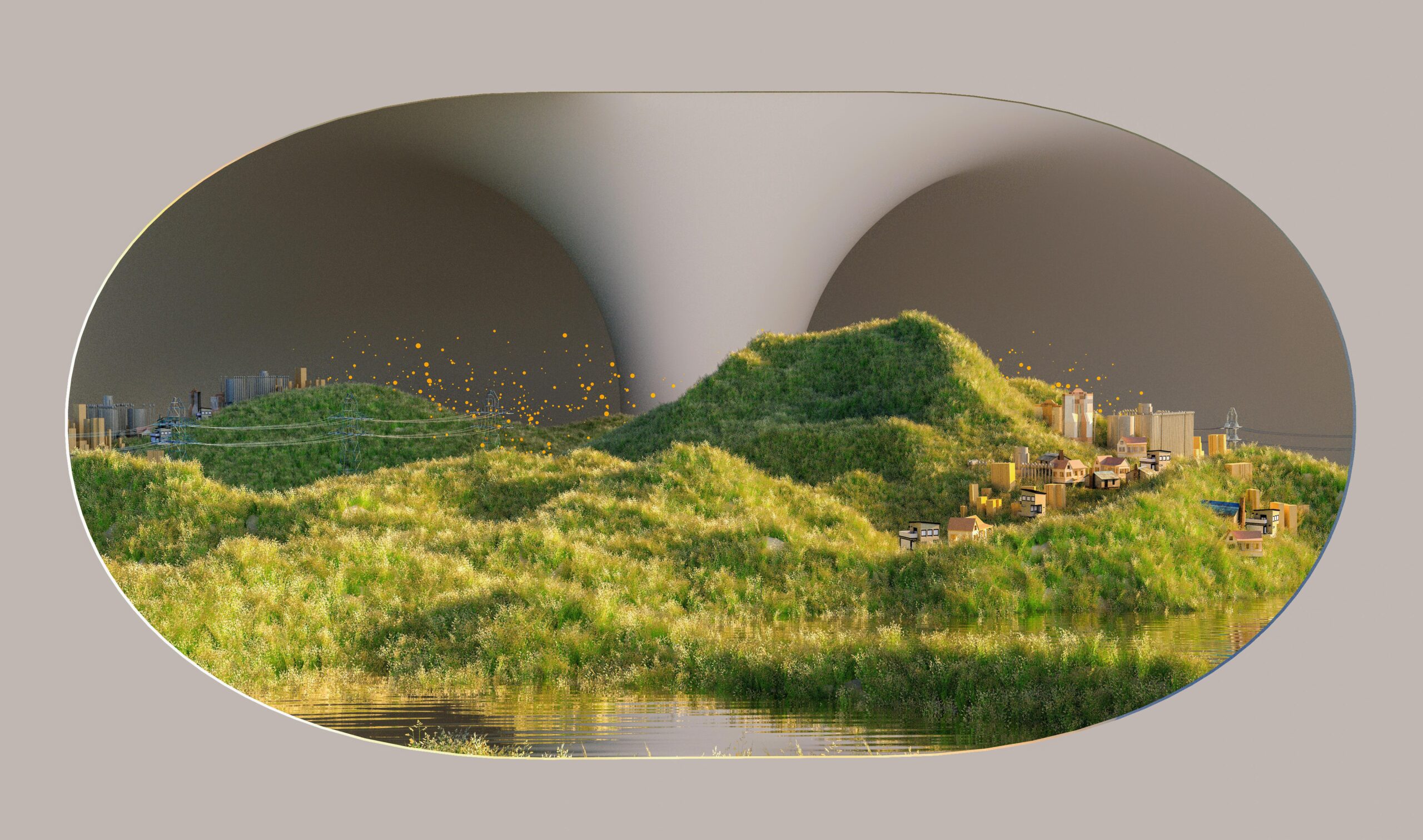
Dreams have served as bridges between generations for millennia, carrying wisdom from our ancestors into the present and shaping pathways toward our collective future. This ancient practice of dream interpretation and sharing continues to offer profound insights in our modern world.

Throughout human history, the exchange of dreams and their meanings between elders and youth has formed a cornerstone of cultural transmission. Today, as we navigate an increasingly complex world, rediscovering this intergenerational dialogue around dreams opens new possibilities for personal growth, community healing, and innovative problem-solving that honors both tradition and progress.
🌙 The Ancient Thread Connecting Past and Future
Indigenous cultures worldwide have long understood what modern psychology is only beginning to grasp: dreams are not merely random neurological firings but meaningful narratives that connect us to deeper truths. The Senoi people of Malaysia held daily dream councils where children and adults shared their nocturnal visions, creating a living tapestry of collective wisdom. Australian Aboriginal communities have maintained dreamtime traditions for over 60,000 years, viewing dreams as portals to ancestral knowledge and future possibilities.
These practices weren’t primitive superstitions but sophisticated systems for processing experience, solving problems, and maintaining social cohesion. When grandmothers interpreted grandchildren’s dreams, they weren’t imposing arbitrary meanings but teaching pattern recognition, symbolic thinking, and emotional intelligence through culturally encoded metaphors.
The breakdown of intergenerational living arrangements in modern societies has severed many of these knowledge-transfer pathways. Yet the human need for meaning-making through dreams remains constant, creating an opportunity to consciously rebuild these bridges with contemporary understanding.
Scientific Validation of Ancestral Dream Wisdom
Contemporary neuroscience and psychology have begun validating what traditional cultures always knew. Research by Matthew Walker at UC Berkeley demonstrates that REM sleep, when most vivid dreaming occurs, plays crucial roles in emotional regulation, memory consolidation, and creative problem-solving. Dreams literally rewire our brains, integrating new experiences with existing knowledge frameworks.
Studies on transgenerational trauma have revealed that experiences can leave epigenetic markers that influence descendants’ stress responses and even dream content. This biological mechanism suggests that ancestral wisdom embedded in family and cultural dream traditions may have tangible neurological foundations.
The work of Carl Jung on the collective unconscious proposed that humans share archetypal dream symbols across cultures—the wise old man, the great mother, the hero’s journey. These universal patterns in dreams facilitate intergenerational communication because they speak a language that transcends individual experience, connecting to shared human evolutionary heritage.
Dreams as Problem-Solving Tools Across Generations
Elias Howe famously solved the mechanical challenge of the sewing machine needle after dreaming of spears with holes near their tips. August Kekulé discovered the ring structure of benzene through a dream of a snake biting its tail. These breakthrough moments demonstrate dreams’ capacity to synthesize information in novel ways.
When younger generations face unprecedented challenges—climate change, technological disruption, social fragmentation—the wisdom of elders who navigated their own era’s transformations becomes invaluable. Dreams provide neutral territory where this exchange can happen symbolically, bypassing generational communication barriers that arise in waking discourse.
🔮 Practical Methods for Intergenerational Dream Sharing
Creating intentional spaces for cross-generational dream dialogue requires thoughtful structure while remaining flexible enough to honor individual and cultural differences. The following approaches have proven effective in various community and family settings.
Family Dream Journals and Morning Rituals
Establishing a family tradition of sharing dreams over breakfast creates low-pressure opportunities for intergenerational exchange. Rather than formal interpretation sessions, these casual conversations allow natural wisdom transfer. Grandparents might recognize symbols or themes from their own life experiences, offering context that enriches younger family members’ understanding.
Keeping a shared family dream journal—physical or digital—creates an archive of collective unconscious material that future generations can reference. Patterns emerge over time: recurring symbols, prophetic dreams later validated by events, or shared dreams among family members that suggest deep empathic connections.
Community Dream Circles Bridging Age Groups
Organized dream circles that intentionally mix ages create powerful containers for wisdom exchange. The structure typically involves:
- Opening with a grounding practice that honors both traditional and contemporary spiritual approaches
- Each participant sharing a recent dream without initial commentary
- Group members offering what the dream might mean “if it were my dream”—avoiding prescriptive interpretation
- The dreamer reflecting on which resonated, maintaining authority over their own dream’s meaning
- Closing with gratitude and commitment to honor the insights received
This format prevents the hierarchical interpretation dynamics that can stifle genuine dialogue while still creating space for elders to share relevant life experience and traditional knowledge.
Digital Platforms Connecting Generational Dream Wisdom
Technology offers new possibilities for intergenerational dream sharing, particularly for families separated by geography. Video calls allow grandparents and grandchildren to maintain dream-sharing practices across distances. Dedicated apps and online communities can connect elders possessing traditional dream knowledge with younger seekers.
However, the intimacy and trust essential for meaningful dream work often requires face-to-face connection. Digital tools work best as supplements rather than replacements for in-person dream sharing practices.
Cultural Perspectives on Dreams and Generational Knowledge Transfer
Different cultural traditions offer varied frameworks for understanding how dreams transmit wisdom between generations. Exploring these diverse approaches enriches our collective toolkit for dream work.
African Traditions: Ancestors Speaking Through Dreams
Many African cultures view dreams as primary communication channels with ancestors. Elders serve as interpreters who help younger community members recognize ancestral messages and guidance. This framework positions dreams not as individual psychological phenomena but as relational experiences connecting past, present, and future generations.
The Zulu concept of “ubuntu”—I am because we are—extends into dream life. Individual dreams carry messages relevant to the entire community, making their sharing a social responsibility rather than personal indulgence.
Eastern Philosophies: Dreams as Spiritual Practice
Tibetan Buddhism’s dream yoga practices, transmitted through guru-student relationships across centuries, teach practitioners to become lucid in dreams and use this awareness for spiritual development. This knowledge transfer requires years of close mentorship, with experienced practitioners guiding novices through increasingly subtle dream states.
Chinese medicine’s understanding of dreams as reflections of organ system imbalances represents another form of diagnostic wisdom passed from master to student. Dream content provides clues about physical and emotional health that trained practitioners learn to recognize through apprenticeship.
Indigenous American Dream Teachings
Many Native American traditions include vision quests and dream fasts as rites of passage where elders prepare youth for transformative dream experiences. The interpretation process afterward integrates the visionary content into the individual’s life purpose and community role.
The Ojibwe tradition of dream catchers—now commercialized beyond recognition—originally served as teaching tools. Grandmothers would craft them while sharing stories about filtering negative dreams and allowing positive ones through, embedding psychological and spiritual lessons in material culture passed to younger generations.
⚡ Modern Applications of Timeless Dream Wisdom
Applying intergenerational dream knowledge to contemporary challenges requires translation—honoring traditional wisdom while adapting to current contexts and scientific understanding.
Dreams in Education and Mentorship
Progressive educational models are beginning to incorporate dream sharing as a tool for student development. When teachers create space for students to share dreams, unexpected insights about learning struggles, social dynamics, and creative potential emerge. Older educators who understand symbolic language can help students recognize their dreams’ relevance to academic and personal challenges.
Mentorship programs that include dream discussion deepen the relationship between mentor and mentee. Dreams often reveal aspirations, fears, and conflicts that mentees struggle to articulate directly. Experienced mentors can recognize patterns from their own journeys, offering guidance that honors the younger person’s unique path while drawing on accumulated wisdom.
Healing Trauma Through Intergenerational Dream Work
Therapeutic approaches like Internal Family Systems and somatic experiencing increasingly recognize that trauma healing requires addressing transgenerational patterns. Dreams provide access to this material in symbolic form that feels safer than direct confrontation with overwhelming experiences.
When families engage in supported dream sharing, children’s nightmares often reflect parents’ or grandparents’ unprocessed trauma. Recognizing this creates opportunities for collective healing. An elder who finally processes their war experience after a grandchild’s dream echoes its themes exemplifies how intergenerational dream work can break cycles of inherited pain.
Innovation and Creativity Across Generations
Organizations are discovering that structured dream sharing between experienced and emerging professionals sparks innovation. Senior leaders’ dreams often reflect deep industry knowledge and pattern recognition, while younger employees’ dreams bring fresh perspectives unbounded by “how things have always been done.”
Design thinking and creative problem-solving methodologies increasingly incorporate dream incubation techniques—intentionally seeding questions before sleep—drawing on practices shamans and wisdom keepers have used for millennia. When intergenerational teams share resulting dreams, the synthesis of seasoned judgment and innovative thinking produces breakthrough solutions.
🌱 Cultivating a Personal Practice of Intergenerational Dream Connection
Individuals can begin accessing intergenerational dream wisdom even without formal community structures or living elders from whom to learn directly.
Connecting With Ancestral Wisdom Through Dreams
Before sleep, consciously invite guidance from ancestors—biological, spiritual, or cultural. This practice doesn’t require belief in literal communication with the dead but rather opens psychological space for accessing inherited wisdom stored in your unconscious.
Keep records of dreams that feel particularly meaningful or “ancestral” in quality. Over time, patterns emerge that connect to family stories, cultural heritage, or historical events that shaped your lineage. Researching these connections deepens understanding of how the past continues speaking through your dream life.
Becoming an Elder for Future Generations
Regardless of age, you can begin documenting your dream life as a gift to those who come after. Future descendants or mentees may find profound value in understanding your inner landscape during this historical moment. Include context about your life circumstances, challenges faced, and how dream insights guided your decisions.
If you have access to younger people—children, students, mentees—create opportunities for them to share dreams with you. Develop the skill of offering observations without imposing interpretations, asking questions that help them discover their dreams’ meanings rather than telling them what things symbolize.
Building Dream Literacy Across Your Community
Initiate conversations about dreams in existing social structures—family dinners, friend groups, faith communities, or professional networks. Most people have fascinating dream lives they rarely discuss because modern culture lacks containers for this sharing.
By creating these containers, you facilitate intergenerational wisdom transfer even in age-segregated environments. A workplace lunch discussion about dreams can reveal the seasoned CEO’s recurring anxiety dream that mirrors the new hire’s, creating unexpected connection and mutual support.
Navigating Challenges in Intergenerational Dream Work
Despite its potential, cross-generational dream sharing faces obstacles that require awareness and skillful navigation.
Avoiding Authoritarian Interpretation
Traditional societies sometimes vested dream interpretation authority in specific roles—shamans, priests, or elders—which could become oppressive when wielded without wisdom or compassion. Modern intergenerational dream work must balance respect for accumulated knowledge with honoring each person’s authority over their own inner life.
The principle “if this were my dream” provides useful protection. Elders share what symbols or themes mean in their experience without claiming definitive knowledge of what another’s dream means. This approach transmits wisdom while maintaining appropriate boundaries.
Bridging Worldview Differences
Secular younger generations and traditionally religious elders may struggle to find common language for dream discussion. A grandmother who sees dreams as divine messages and a grandchild who understands them as brain processes need not agree on metaphysics to engage meaningfully with dream content.
Focusing on the dream’s practical wisdom—what it reveals about emotions, relationships, decisions, or creativity—creates shared ground. The mechanistic explanation and the spiritual interpretation can coexist when both parties commit to valuing the dream’s guidance regardless of its ultimate source.
Respecting Cultural Boundaries and Sacred Knowledge
Some traditional dream teachings are not meant for general sharing but remain protected within specific cultural or initiatory contexts. Non-indigenous people drawn to Native American dream practices, for example, must navigate the line between appreciating wisdom and appropriating sacred traditions.
When learning from elders of cultures not your own, approach with humility, ask about what can appropriately be shared, and consider how you might reciprocate rather than simply extract knowledge. Support indigenous-led initiatives to preserve and transmit traditional wisdom within their own communities.

🌟 The Future Emerging From Our Dreams
As humanity faces unprecedented global challenges, the wisdom carried in our collective dream life becomes increasingly relevant. Climate catastrophe, technological transformation, social polarization, and meaning crises require solutions that honor both ancient wisdom and innovative thinking.
Intergenerational dream sharing offers a practice that weaves these threads together. Elders who remember slower, more connected ways of living can transmit this embodied knowledge through dreams and their interpretation. Young people navigating radically different futures can access guidance from those who successfully weathered their own era’s upheavals.
The dreams we share across generations literally shape neural pathways, influence gene expression, and create cultural narratives that ripple forward in time. Each grandmother who helps interpret a child’s dream plants seeds that may blossom in unexpected ways decades later. Each young person who honors an elder’s dream validates accumulated wisdom and ensures its transmission.
Building regular intergenerational dream practice into families and communities creates resilience—psychological, social, and spiritual. The intimacy required for authentic dream sharing strengthens bonds across age groups while the wisdom exchanged provides practical guidance for navigating life’s complexities.
In our dreams, the ancestors speak and the future calls. By creating containers for this timeless wisdom to flow between generations, we unlock potentials that benefit individuals, communities, and the broader human family. The practice requires no special equipment or credentials—only willingness to honor the profound intelligence that emerges when we close our eyes and the courage to share what we discover there with those traveling different stretches of the same human journey.
Perhaps most importantly, intergenerational dream work reminds us that we are not isolated individuals but rather threads in a vast tapestry extending far into the past and future. Our dreams connect us to this larger story, and by sharing them across generations, we consciously participate in weaving wisdom forward through time. This is not mystical escapism but practical engagement with the deepest dimensions of human experience—dimensions that hold keys to both personal fulfillment and collective flourishing.