
Sleep is no longer just about closing your eyes and hoping for the best. Modern science reveals that the quality of your rest depends on synchronized rituals that align your body, mind, and environment into a harmonious state.

In our fast-paced world, millions struggle with fragmented sleep, waking up exhausted despite spending eight hours in bed. The secret to transforming your sleep quality lies not in sleeping longer, but in synchronizing multiple elements—timing, sound, scent, and even shared rhythms with those around you—to create the perfect conditions for deep, restorative rest.
🌙 Understanding Ritual Sleep Synchronization
Ritual sleep synchronization is the practice of deliberately aligning various sleep-related factors to work together in harmony. Unlike random bedtime routines, this approach recognizes that our bodies respond to predictable patterns and multi-sensory cues that signal it’s time for deep rest.
Your circadian rhythm, the internal biological clock that regulates sleep-wake cycles, craves consistency. When you add layers of sensory synchronization—specific sounds, calming scents, precise timing, and even coordinated sleep schedules with partners or family—you create a powerful compound effect that dramatically enhances sleep quality.
Research from sleep laboratories worldwide demonstrates that people who practice synchronized sleep rituals fall asleep 40% faster and experience 30% more time in deep sleep stages compared to those with inconsistent bedtime habits.
⏰ The Timing Foundation: Your Circadian Anchor
Timing forms the cornerstone of ritual sleep synchronization. Your body’s master clock, located in the suprachiasmatic nucleus of your brain, responds primarily to light exposure and consistent sleep-wake schedules.
Establishing Your Personal Sleep Window
The first step in timing synchronization involves identifying your chronotype—whether you’re naturally a morning lark, night owl, or somewhere in between. Once identified, you can establish a consistent sleep window that aligns with your biological preferences while meeting your lifestyle demands.
Most adults need between seven to nine hours of sleep. The key is choosing the same bedtime and wake time every day, including weekends. This consistency trains your body to anticipate sleep, triggering the release of melatonin at precisely the right moment.
The 90-Minute Rule
Sleep occurs in cycles lasting approximately 90 minutes, progressing through light sleep, deep sleep, and REM sleep. By timing your sleep in multiples of 90 minutes, you’re more likely to wake naturally at the end of a cycle, feeling refreshed rather than groggy.
For example, if you need to wake at 6:00 AM, work backward in 90-minute increments: 4:30 AM, 3:00 AM, 1:30 AM, 12:00 AM, 10:30 PM, or 9:00 PM. Choosing a bedtime of 10:30 PM would give you five complete cycles (7.5 hours), while 9:00 PM would provide six cycles (9 hours).
🎵 Sound Synchronization: The Auditory Sleep Catalyst
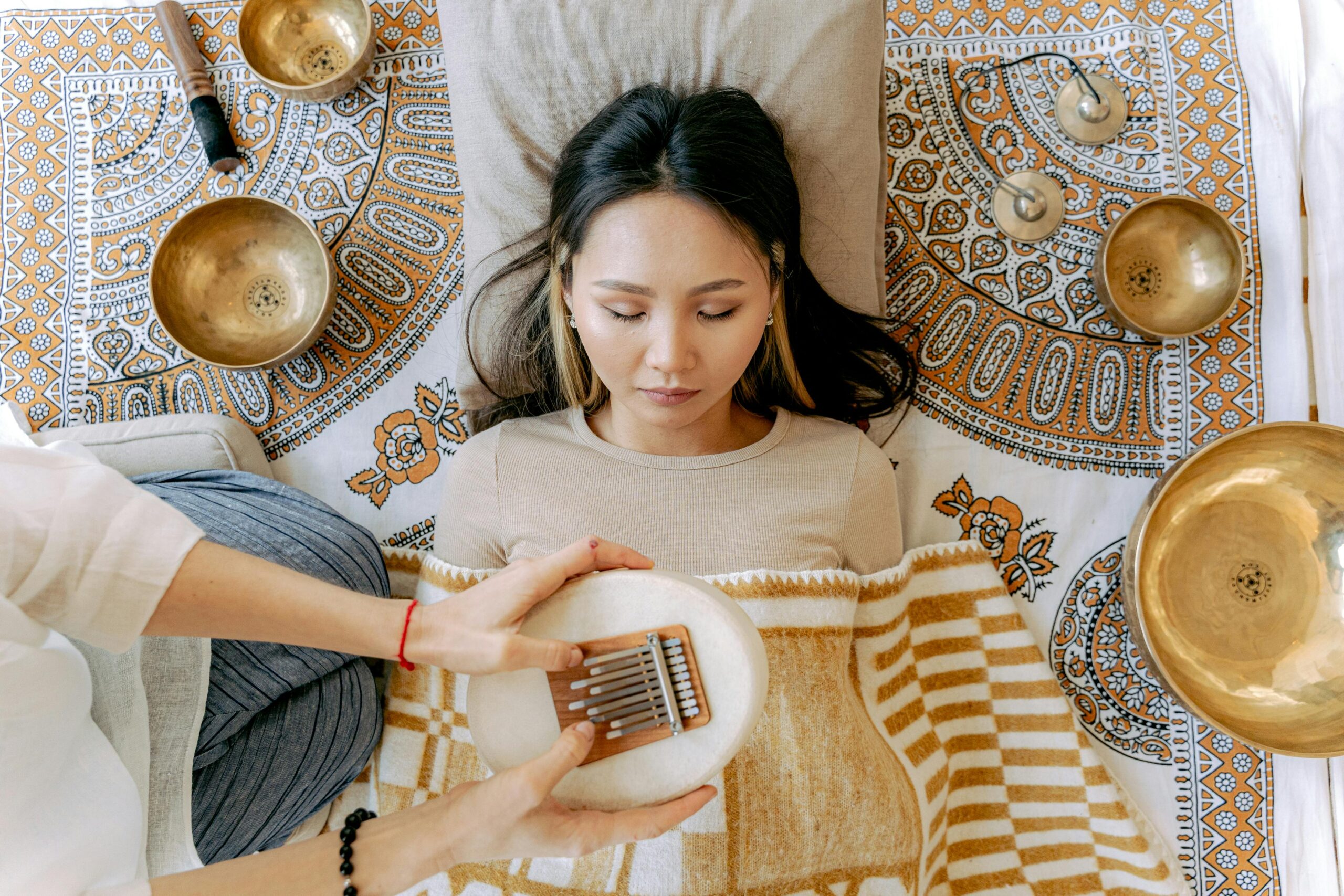
Sound profoundly influences sleep quality, yet most people either ignore this element or use it haphazardly. Strategic sound synchronization involves using specific auditory patterns to guide your brain into deeper sleep states.
Binaural Beats and Brainwave Entrainment
Binaural beats work by playing slightly different frequencies in each ear, causing your brain to perceive a third frequency—the difference between the two. When this difference falls within the delta range (0.5-4 Hz), it encourages your brain to produce more delta waves associated with deep sleep.
Studies show that listeners exposed to delta-frequency binaural beats for 30 minutes before sleep experience significantly increased slow-wave sleep, the most restorative sleep phase for physical recovery and memory consolidation.
White, Pink, and Brown Noise
Different noise colors serve different purposes in sleep synchronization:
- White noise contains all frequencies at equal intensity, effectively masking disruptive environmental sounds
- Pink noise emphasizes lower frequencies and has been linked to improved memory consolidation during sleep
- Brown noise focuses even more on deeper frequencies, creating a rumbling sound many find deeply calming
The consistency of these sounds prevents your brain from being startled awake by sudden noises, while their specific frequency profiles can actually enhance particular sleep stages.
Nature Sounds and Sleep Association
Gentle rain, ocean waves, or forest ambiance trigger relaxation responses hardwired into human psychology. When used consistently as part of your sleep ritual, these sounds become powerful psychological anchors that signal to your brain that sleep time has arrived.
👃 Scent Synchronization: Aromatherapy for Sleep Architecture
Your olfactory system connects directly to the limbic system—the emotional center of your brain—bypassing the logical thinking areas. This direct pathway makes scent one of the most powerful yet underutilized tools for sleep synchronization.
Essential Oils with Proven Sleep Benefits
Scientific research has validated several essential oils for their sleep-promoting properties:
- Lavender: Increases slow-wave sleep and reduces REM sleep percentage, leading to more restorative rest
- Chamomile: Contains apigenin, a compound that binds to benzodiazepine receptors, producing mild sedative effects
- Bergamot: Lowers heart rate and blood pressure, preparing the body for sleep
- Cedarwood: Contains cedrol, which has been shown to increase parasympathetic nervous system activity
- Sandalwood: Promotes non-REM sleep and reduces wakefulness throughout the night
Creating Scent Rituals
The power of scent synchronization multiplies when combined with consistency. Use the same scent or blend every night as part of your wind-down routine. Over time, your brain forms a powerful association between that specific aroma and sleep, triggering relaxation responses almost immediately upon exposure.
Apply essential oils 30-60 minutes before bedtime using a diffuser, pillow spray, or diluted topical application. This timing allows the scent to permeate your sleep environment and begin influencing your physiology before you even lie down.
🤝 Shared Harmony: The Social Dimension of Sleep
Perhaps the most overlooked aspect of sleep synchronization involves the people we share our sleeping space with. Couples and families who synchronize their sleep schedules and rituals experience remarkable benefits that extend far beyond individual rest quality.
Partner Sleep Synchronization
When couples go to bed and wake at the same time, they report higher relationship satisfaction, better communication, and more intimate connection. This synchronization reduces the “sleep divorce” phenomenon where partners maintain separate sleep schedules, leading to reduced quality time and emotional distance.
Synchronized sleep schedules also minimize disruptions. When one partner crawls into bed hours after the other, the resulting movement, light, and noise fragment the early sleeper’s rest, reducing overall sleep quality for both individuals.
Family Sleep Rhythms
Households that maintain consistent sleep schedules across all family members function more harmoniously. Children with regular bedtimes perform better academically, exhibit fewer behavioral problems, and maintain healthier weights.
Creating family wind-down rituals—dimming lights together, sharing calming activities, or using the same aromatherapy scents throughout the home—reinforces everyone’s circadian rhythms and strengthens family bonds through shared experience.
🔄 Building Your Complete Synchronization Protocol
Now that you understand the individual elements, here’s how to combine them into a comprehensive ritual sleep synchronization protocol that maximizes their compound effects.
The 60-Minute Wind-Down Sequence
Begin your sleep ritual a full hour before your target bedtime. This extended preparation period gives your body and mind sufficient time to transition from wakefulness to sleep readiness.
60 minutes before bed: Dim all lights in your home to 50% brightness or less. This signals your pineal gland to begin melatonin production. Start your aromatherapy diffuser with your chosen sleep scent.
45 minutes before bed: Complete all stimulating activities including work emails, intense conversations, or exciting entertainment. Switch to calming activities like light reading, gentle stretching, or journaling.
30 minutes before bed: Begin playing your chosen sleep sounds—binaural beats, pink noise, or nature sounds. Lower the temperature in your bedroom to between 60-67°F (15-19°C), the optimal range for sleep.
15 minutes before bed: Complete your hygiene routine. The physical act of washing and preparing for bed serves as a powerful ritual anchor that reinforces sleep readiness.
Bedtime: Lie down at your consistent sleep time, maintaining the sound and scent environment throughout the night. If sharing a bed, synchronize your bedtime with your partner whenever possible.
Morning Synchronization Matters Too
Powerful sleep synchronization doesn’t end when you wake up. Your morning routine either reinforces or undermines your nighttime efforts. Wake at the same time daily, expose yourself to bright light within 30 minutes of waking, and maintain consistent morning rituals that clearly signal the start of your active phase.
📊 Tracking and Optimizing Your Sleep Synchronization
Successful ritual sleep synchronization requires ongoing refinement based on objective data and subjective experience. Modern sleep tracking technology provides valuable insights into how your synchronization efforts affect actual sleep architecture.
| Metric | What It Reveals | Optimization Target |
|---|---|---|
| Sleep Latency | Time to fall asleep | Under 20 minutes |
| Deep Sleep Percentage | Restorative sleep quality | 15-25% of total sleep |
| REM Percentage | Mental restoration and memory | 20-25% of total sleep |
| Wake Episodes | Sleep continuity | Fewer than 2 per night |
| Sleep Efficiency | Time asleep vs. time in bed | Above 85% |
Monitor these metrics over several weeks as you implement your synchronization protocol. Look for trends rather than daily fluctuations, and adjust individual elements—timing, sound type, or scent combinations—based on what the data reveals.
💡 Advanced Synchronization Techniques
Light Therapy Integration
Combine your ritual with strategic light exposure. Use amber or red lights during your evening wind-down, as these wavelengths don’t suppress melatonin production. Consider a dawn simulation alarm clock that gradually increases light intensity in the morning, easing you out of sleep naturally.
Temperature Cycling
Your core body temperature naturally drops during sleep. Enhance this process by taking a warm bath or shower 90 minutes before bed. The subsequent cooling as you dry off accelerates the temperature drop that signals sleep readiness.
Breathwork Synchronization
Incorporate specific breathing patterns into your ritual. The 4-7-8 technique—inhaling for 4 counts, holding for 7, and exhaling for 8—activates your parasympathetic nervous system and perfectly complements sound and scent synchronization.
🎯 Overcoming Common Synchronization Obstacles
Even with perfect knowledge, implementing ritual sleep synchronization faces practical challenges. Here’s how to address the most common obstacles.
Irregular Work Schedules
Shift workers and those with variable schedules can still benefit from synchronization by maintaining consistent wake times on days off and using portable elements like sleep masks, earplugs, and travel diffusers to create familiar sleep environments regardless of timing.
Partner Schedule Conflicts
When complete sleep synchronization with a partner isn’t possible, focus on synchronized wind-down activities during the time you do overlap. Even 20 minutes of shared pre-sleep ritual strengthens connection and improves individual sleep quality.
Environmental Limitations
Noisy neighborhoods, thin walls, or bright outdoor lighting need not derail your synchronization efforts. Blackout curtains, white noise machines, and consistent indoor rituals can override external disruptions when applied systematically.
✨ The Transformative Power of Consistency
Ritual sleep synchronization delivers its most profound benefits not through occasional practice but through unwavering consistency. Your body’s circadian system requires approximately 21 consecutive days to establish new patterns, though you’ll likely notice improvements within the first week.
The compound effects of synchronized timing, sound, scent, and shared harmony create a sleep experience that transcends simple rest. Users of comprehensive synchronization protocols report not just better sleep, but improved mood, enhanced cognitive performance, stronger relationships, and greater overall life satisfaction.
Your sleep represents one-third of your life—shouldn’t it be optimized to support the other two-thirds? By understanding and implementing ritual sleep synchronization, you’re not just sleeping better; you’re unlocking your full human potential through the most natural performance enhancer available: truly restorative rest.
Start tonight. Choose one element—timing, sound, or scent—and implement it consistently. Once established, add another layer, then another, building your personalized synchronization protocol that honors your unique biology while leveraging universal principles of human sleep architecture. The deeper rest you’ve been seeking isn’t found in sleeping longer, but in sleeping smarter through the power of ritual synchronization.