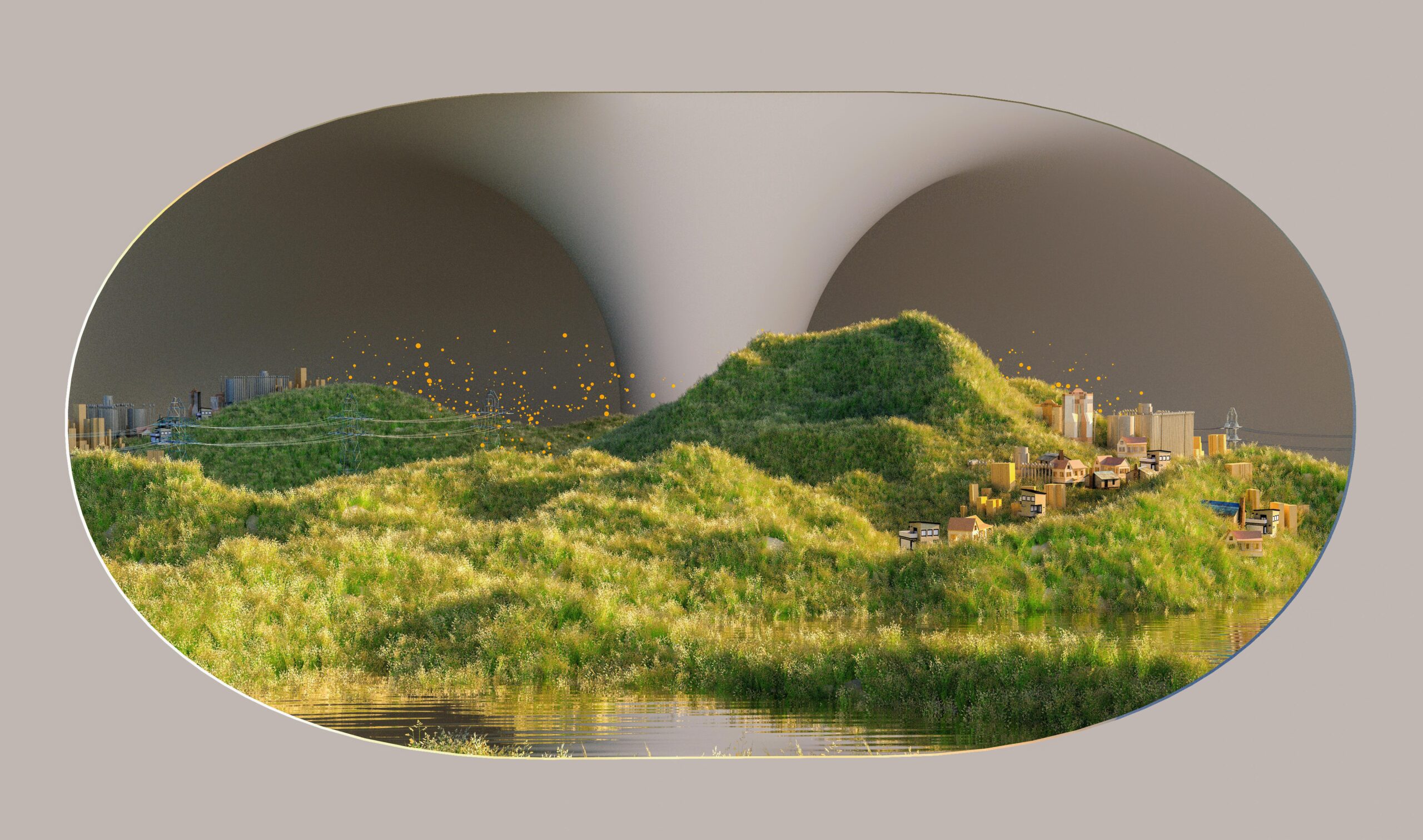
Deep within each of us lies an ancient wellspring of knowing that transcends logical thinking and cognitive analysis. This inner wisdom emerges not through intellectual pursuit alone, but through the integration of body, mind, and spirit using practices that engage our full sensory experience.

Modern life often disconnects us from this innate intelligence, leaving us feeling fragmented and uncertain. By embracing embodied recall practices through chants, movement, and sensory connections, we can reawaken dormant wisdom and live with greater authenticity, purpose, and clarity. These ancient techniques offer a pathway back to ourselves, helping us remember what our bodies and souls already know.
🌟 Understanding Embodied Recall: Beyond Intellectual Knowledge
Embodied recall refers to the process of accessing wisdom stored not just in our minds, but throughout our entire physical being. Unlike cognitive memory, which relies on mental retrieval of facts and experiences, embodied recall taps into cellular memory, somatic intelligence, and the wisdom held within our nervous system.
Our bodies remember experiences that our conscious minds may have forgotten or never fully processed. Trauma, joy, ancestral patterns, and profound insights all leave imprints within our physical form. When we engage in practices that unite breath, sound, movement, and sensation, we create bridges to these deeper layers of knowing.
This approach challenges the Western paradigm that privileges rational thought above all else. Indigenous cultures, ancient spiritual traditions, and contemporary somatic practitioners recognize that true wisdom emerges from the integration of multiple ways of knowing—intellectual, emotional, physical, and spiritual.
The Transformative Power of Chanting and Sacred Sound
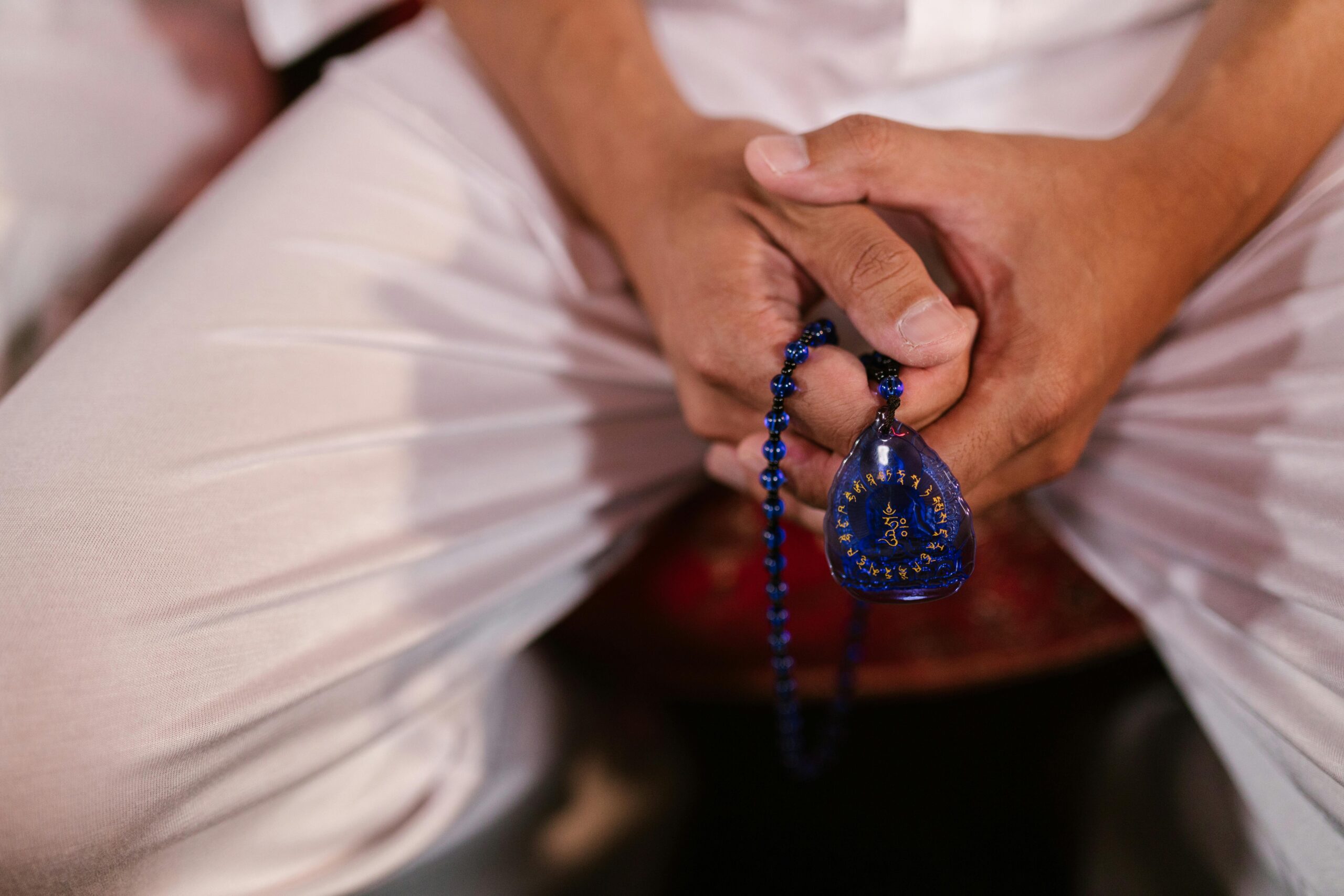
Chanting represents one of humanity’s oldest spiritual technologies, utilized across cultures from Gregorian monks to Tibetan practitioners to Indigenous ceremonies worldwide. The repetitive vocalization of sounds, mantras, or phrases creates profound shifts in consciousness and physiological states.
How Chanting Activates Inner Wisdom
When we chant, we create vibrations that resonate throughout our entire body. These sound waves don’t just travel through air—they move through tissue, bone, and fluid, creating a full-body experience that can release stuck energy and awaken dormant awareness.
The vagus nerve, which plays a crucial role in regulating our nervous system and emotional states, is directly stimulated through vocalization. This activation helps shift us from sympathetic (fight-or-flight) to parasympathetic (rest-and-digest) dominance, creating the calm, receptive state necessary for accessing deeper wisdom.
Research in neuroscience demonstrates that repetitive chanting increases alpha brain waves associated with relaxed awareness and can even induce theta states linked to deep meditation, creativity, and access to subconscious material. The rhythmic nature of chanting also entrains brain waves, creating coherence between different brain regions.
Practical Chanting Techniques for Daily Practice ✨
Beginning a chanting practice doesn’t require extensive training or perfect pitch. Start with simple, resonant sounds like “Om,” “Ah,” or “Hum.” Allow the vibration to originate deep in your belly, feeling it rise through your chest and resonate in your skull.
Morning chanting can set an intentional tone for your day, while evening practice helps process accumulated experiences and prepare for restorative sleep. Even five minutes of consistent chanting can create noticeable shifts in your mental clarity and emotional equilibrium.
Consider exploring chants from various traditions—Sanskrit mantras, Gregorian chants, Indigenous songs, or even creating your own intuitive sounds. The key is finding vibrations that resonate authentically with your being and allow you to drop beneath surface consciousness.
Movement as Medicine: Awakening Somatic Intelligence
Our bodies are not merely vessels for carrying our heads around—they are sophisticated intelligence systems with their own ways of perceiving, processing, and knowing. Movement practices that emphasize awareness, presence, and authentic expression become powerful tools for accessing embodied wisdom.
The Wisdom Held in Your Physical Form
Every experience you’ve ever had has left an imprint in your musculoskeletal system, fascia, and nervous system. Chronic tension patterns often reflect unresolved emotional material or limiting beliefs. Conversely, areas of ease and flow in your body correspond to integrated wisdom and strengths.
By bringing conscious awareness to how we move, we can begin to read these somatic signatures and work with them intentionally. A tight jaw might hold back unexpressed truth. Collapsed shoulders could carry the weight of responsibility or shame. Rigid hips often correlate with fear of change or sexual suppression.
Movement becomes a form of inquiry—a way of asking your body what it knows and needs. This approach differs fundamentally from exercise focused solely on external goals like appearance or performance. Instead, we move to listen, discover, and integrate.
Embodied Movement Practices to Explore 💃
Authentic Movement is a contemplative practice where you move with eyes closed in a safe space, following internal impulses without choreography or judgment. This practice creates conditions for unconscious material to surface and be witnessed through physical expression.
Qigong and Tai Chi offer structured movement sequences that cultivate life force energy (qi) while promoting mindfulness and internal awareness. These ancient Chinese practices emphasize fluid, continuous motion that harmonizes body, breath, and intention.
Ecstatic dance and conscious dance practices invite spontaneous, authentic movement in community settings. Without prescribed steps or partnering requirements, participants connect with their own inner rhythms and express themselves freely.
Yoga asana, when practiced with internal focus rather than achievement-orientation, becomes a moving meditation that reveals patterns, releases tension, and integrates body-mind awareness. The key is approaching poses as opportunities for discovery rather than positions to perfect.
Sensory Connections: Awakening Through the Five Gateways
Our senses provide direct, immediate portals to present-moment awareness and embodied knowing. By consciously engaging sight, sound, touch, taste, and smell, we bypass the analytical mind and drop into direct experience—the foundation of true wisdom.
Creating a Sensory-Rich Practice Environment
Designate a space in your home specifically for embodied practices. This doesn’t require a large area—even a corner with a cushion or mat can become sacred. Engage multiple senses to signal to your nervous system that this is a place for deep presence and inner listening.
Visual elements might include candles, natural objects like stones or feathers, images that inspire contemplation, or simply clean, uncluttered space that allows your gaze to rest. Soft lighting supports the inward journey better than harsh overhead illumination.
Aromatherapy with essential oils like frankincense, sandalwood, or lavender can anchor you into embodied presence. Our olfactory system connects directly to the limbic brain, making scent a powerful trigger for altered states and memory recall.
Textural variety through cushions, blankets, or objects to hold during practice provides tactile anchoring. Temperature awareness—warmth from a blanket or coolness of the floor—keeps attention rooted in physical sensation rather than mental abstraction.
Synesthetic Practice: Integrating Multiple Senses Simultaneously
The most powerful embodied recall experiences often arise when we engage multiple sensory channels simultaneously. This multisensory approach creates rich, textured experiences that more fully occupy our awareness and prevent the mind from wandering into abstraction.
Try combining gentle swaying movement with humming or toning while holding a smooth stone and noticing the sensation of your feet against the floor. This synesthetic engagement creates a full-body experience that naturally quiets mental chatter.
Notice how different sensory combinations affect your state of consciousness. Some people find that sound plus movement most effectively drops them into embodied presence, while others respond more to scent plus stillness or touch plus visualization.
The Science Behind Embodied Wisdom Practices 🧠
Contemporary neuroscience and somatic psychology increasingly validate what ancient traditions have long understood: wisdom emerges from integrated body-mind states, not cognitive processes alone.
Polyvagal theory, developed by Dr. Stephen Porges, explains how our autonomic nervous system constantly assesses safety and threat through a process called neuroception. Embodied practices that promote felt safety allow access to the ventral vagal state—characterized by social engagement, curiosity, and open awareness.
Research on interoception—our ability to sense internal body states—shows that people with greater interoceptive awareness demonstrate better emotional regulation, decision-making, and intuitive knowing. Practices that enhance body awareness literally improve our access to inner guidance.
Studies on the default mode network (DMN) reveal that contemplative practices involving chanting, movement, and sensory focus decrease activity in this brain network associated with self-referential thinking and rumination. This quieting of the narrative mind creates space for non-verbal wisdom to emerge.
Designing Your Personal Embodied Recall Practice
While learning from teachers and established traditions provides valuable structure, the most sustainable practice is one you design to fit your unique needs, preferences, and lifestyle. Consider these elements as you create your personal approach.
Essential Components of an Effective Practice
- Consistency over duration: Five minutes daily creates more transformation than occasional hour-long sessions
- Sacred timing: Choose a regular time that works with your natural rhythms and daily schedule
- Environmental support: Create a dedicated space that signals to your nervous system it’s time for inner work
- Flexibility within structure: Maintain core elements while allowing spontaneous variation
- Integration practices: Include transition time before returning to daily activities
- Journaling or reflection: Capture insights that arise without over-analyzing them
A Simple 15-Minute Daily Practice Template
Begin with three minutes of intentional breathing, placing one hand on your heart and one on your belly. Notice the rhythm and quality of your breath without trying to change it.
Transition into five minutes of gentle, intuitive movement. This might be swaying, stretching, or spontaneous gestures—whatever your body wants to express in this moment. Keep your awareness internal rather than watching yourself.
Move into five minutes of chanting or toning. Start with a simple “Ahhh” sound and let it evolve naturally. Notice where the vibration resonates most strongly in your body.
Complete with two minutes of stillness, simply receiving whatever sensations, emotions, or insights are present. Resist the urge to immediately analyze or label your experience.
Overcoming Common Obstacles and Resistance 🌱
Beginning an embodied practice often surfaces resistance, discomfort, or doubt. These responses are normal and actually provide valuable information about where we hold tension, protection, or disconnection.
Self-consciousness about making sounds or moving in unconventional ways reflects cultural conditioning that prioritizes control and conformity. Remember that your practice is private—there’s no one to perform for or impress. Awkwardness is simply the feeling of trying something new.
Restlessness or boredom often indicates the mind’s discomfort with dropping into present-moment awareness. Our thinking minds are accustomed to being in charge; embodied practices invite a different kind of consciousness that the ego may initially resist.
Physical discomfort or emotional activation during practice deserves gentle, compassionate attention. If overwhelming feelings arise, you can always return to simple breath awareness or open your eyes and ground yourself in your external environment.
Deepening Your Journey: Advanced Explorations
As your embodied practice matures, you may feel drawn to explore more specialized modalities or deepen particular aspects that resonate most strongly with you.
Somatic Experiencing, developed by Dr. Peter Levine, offers powerful techniques for releasing trauma stored in the nervous system. This approach recognizes that traumatic experiences create incomplete defensive responses that remain frozen in our bodies until safely discharged.
Breathwork practices like Holotropic Breathwork, Transformational Breath, or Shamanic Breathwork use specific breathing patterns to access non-ordinary states of consciousness where deep healing and wisdom emergence can occur.
Sound healing with instruments like singing bowls, gongs, or tuning forks creates vibrational experiences that can release stuck energy and recalibrate your nervous system. These practices work directly with the principle that everything in existence, including our bodies, is fundamentally vibration.
Ritual and ceremony provide containers for profound transformation by marking transitions, honoring intentions, and creating collective fields of consciousness. Whether practiced alone or in community, ceremonial approaches add depth and meaning to embodied work.
Living from Embodied Wisdom: Integration into Daily Life 🌿
The ultimate purpose of embodied recall practices extends far beyond the dedicated time we spend in formal practice. These techniques serve to reconnect us with an inner compass that can guide decision-making, relationships, and how we move through the world.
As you develop your practice, notice how embodied awareness begins infiltrating ordinary moments. You might pause before responding to an email, checking in with the sensation in your belly. You may recognize tension building in your shoulders and take a moment to breathe and release.
Decision-making shifts from purely logical analysis to including somatic feedback. Does this opportunity create expansion or contraction in your chest? Does thinking about this person bring warmth or a subtle recoiling? Your body constantly provides information more nuanced than any pro-con list.
Relationships deepen when we show up in our full embodied presence rather than living primarily in our heads. Others sense and respond to this quality of authentic, grounded awareness, creating conditions for more genuine connection.
The Collective Dimension: Embodied Wisdom in Community
While solitary practice provides essential foundation, practicing in community amplifies the transformative potential of embodied work. Collective fields of consciousness emerge when groups gather with shared intention, creating possibilities that exceed individual practice.
Chanting circles, ecstatic dance communities, group movement classes, and ceremonial gatherings offer opportunities to witness and be witnessed as you explore embodied expression. This mirroring and collective holding accelerates healing and deepening.
Finding your people—those who value inner work and embodied living—provides essential support and reflection. These connections remind us we’re not alone in choosing depth over superficiality, presence over distraction, and authentic expression over performance.
Your Unique Path to Inner Knowing 💫
There is no single correct way to awaken embodied wisdom. The practices shared here provide entry points and frameworks, but your journey will be entirely your own. Trust the pull toward certain modalities and the resistance or disinterest toward others—this too is your inner wisdom speaking.
Some days your practice will feel profound and illuminating. Other days it may seem mechanical or uninspired. Both experiences are valuable. Consistency through all seasons of practice cultivates the deep trust and inner stability from which true wisdom emerges.
Your body already knows how to heal, how to access wisdom, and what you need in each moment. Embodied recall practices simply clear away the accumulated debris of conditioning, trauma, and disconnection that obscure this innate knowing.
As you commit to this journey, be patient with yourself. The reconnection to embodied wisdom is not a destination to reach but an ongoing relationship to cultivate. Each breath, each sound, each conscious movement is both the practice and the fruit—returning you home to the wisdom that has always resided within.
Begin where you are, with what you have, right now. Your body is waiting to share its wisdom with you. Listen with your whole being, move with authentic expression, sound your truth into the world, and trust the intelligence that emerges from the sacred integration of your entire embodied self.