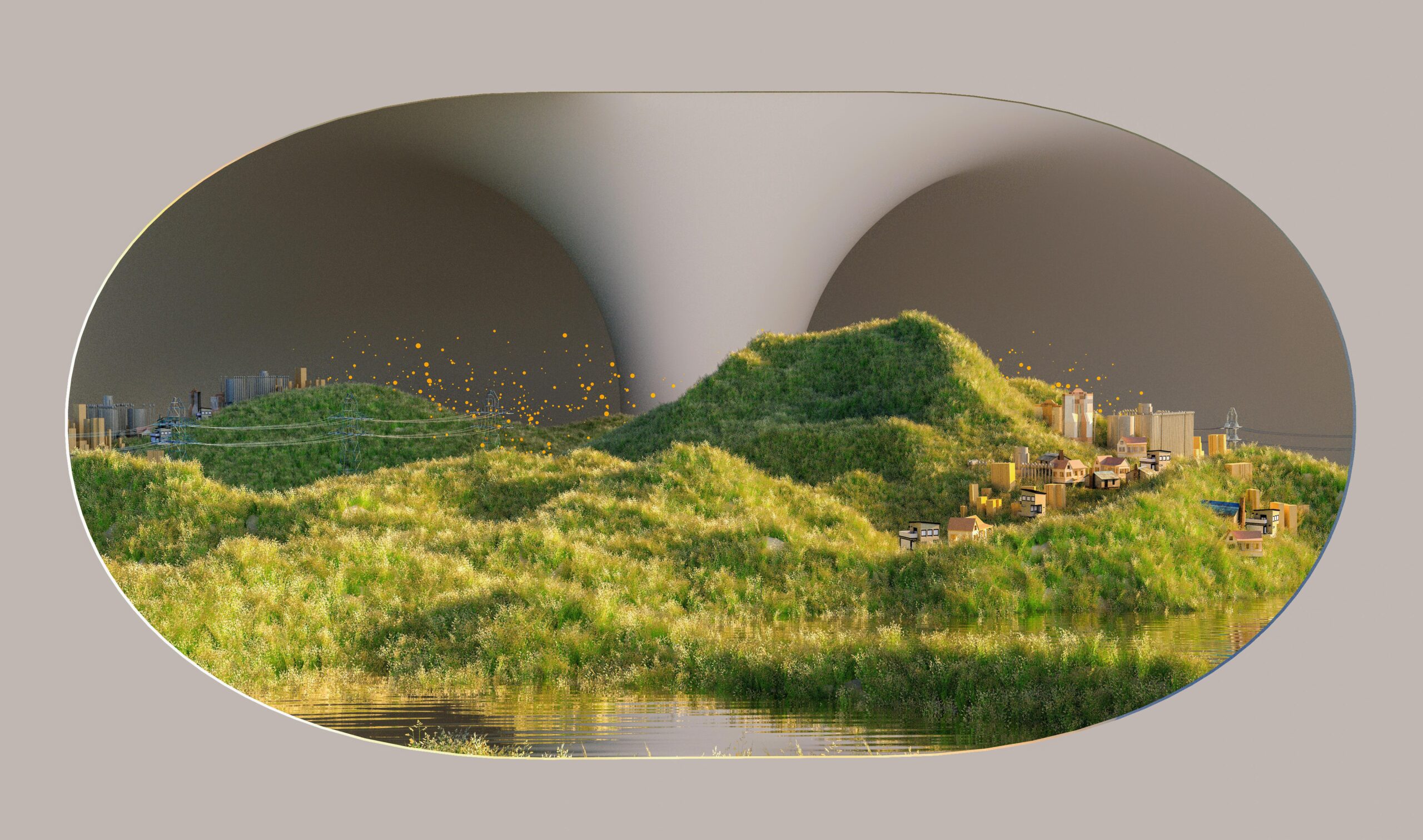
Sleep has fascinated humanity since the dawn of consciousness, serving as a bridge between our waking reality and the mysterious realms beyond ordinary perception.

Every night, we surrender ourselves to this ancient ritual, entering a liminal space where the boundaries between life and death blur, where prophetic visions emerge, and where our souls undergo transformation. This nightly journey represents far more than mere biological necessity—it embodies a sacred passage that cultures worldwide have recognized as a gateway to profound spiritual truths and mystical experiences.
🌙 The Sacred Threshold: Understanding Sleep as a Mystical Gateway
Throughout human history, sleep has been revered as a mystical threshold where consciousness transcends ordinary reality. Ancient civilizations understood what modern science is only beginning to rediscover: sleep is not simply an absence of wakefulness but an active state of transformation and spiritual communion.
The transition from wakefulness to sleep mirrors the eternal cycle of death and rebirth that permeates all existence. As we close our eyes and release our grip on the material world, we undergo a symbolic death—a temporary dissolution of the ego and its attachments. This nightly surrender prepares us for the ultimate transition while offering glimpses into realms beyond physical existence.
In many spiritual traditions, the hypnagogic state—that ethereal moment between waking and sleeping—is considered particularly potent for mystical experiences. During this liminal phase, the veil between dimensions grows thin, allowing access to intuitive wisdom, creative inspiration, and prophetic insights that remain hidden during ordinary consciousness.
Ancient Wisdom: Cultural Perspectives on Sleep and Divinity
Ancient Egyptian priests viewed sleep as a sacred communion with the divine. They believed that during slumber, the ba (soul) temporarily separated from the physical body to journey through the Duat, the realm of the dead, gathering wisdom and receiving messages from the gods. Elaborate dream temples were constructed where seekers could receive healing and prophetic visions through ritual sleep.
Greek mythology honored Hypnos, the god of sleep, as the twin brother of Thanatos, the god of death. This divine pairing acknowledged the intimate relationship between sleep and mortality, recognizing that each night’s rest rehearses the final rest that awaits all mortals. The Greeks practiced incubation rituals in temples dedicated to Asclepius, where healing dreams were intentionally cultivated through sacred sleep.
Indigenous cultures across the Americas have long recognized sleep as a time when the soul travels beyond the body. Australian Aboriginal traditions describe the Dreamtime—a sacred dimension where ancestral spirits dwell and where the boundaries of past, present, and future dissolve. Sleep serves as the primary gateway for accessing this eternal realm.
Eastern Philosophies and the Sleep-Consciousness Continuum
Tibetan Buddhism offers perhaps the most sophisticated approach to sleep as spiritual practice. The yoga of sleep (milam) teaches practitioners to maintain awareness during dreams and deep sleep, recognizing these states as opportunities for enlightenment. Advanced practitioners view the transition into sleep as preparation for the bardos—the intermediate states between death and rebirth.
Hindu Vedanta philosophy describes four states of consciousness: waking, dreaming, deep sleep, and turiya (pure consciousness). Deep sleep, known as sushupti, is considered a taste of the absolute—a temporary dissolution of individuality where the soul rests in its essential nature, free from the modifications of mind and ego.
💫 The Symbolism of Sleep: Death’s Gentle Rehearsal
Sleep’s symbolism as “little death” appears across virtually every culture and spiritual tradition. This metaphor carries profound psychological and spiritual significance, offering daily practice in the art of surrender and letting go—skills essential for navigating life’s transitions and ultimately, physical death itself.
When we prepare for sleep, we engage in rituals remarkably similar to death preparations across cultures. We lie down horizontally, close our eyes, slow our breathing, and consciously release our engagement with the external world. We surrender control, trusting in forces beyond our conscious direction to sustain us through the night.
This nightly rehearsal serves multiple purposes. Psychologically, it helps us develop comfort with vulnerability and loss of control. Spiritually, it reminds us that consciousness continues even when the ego dissolves, suggesting that awareness persists beyond physical death. Each morning’s awakening becomes a symbolic rebirth, offering fresh perspective and renewed vitality.
The Architecture of Night: Sleep’s Transformative Stages
Modern sleep science reveals that we cycle through distinct stages multiple times each night, with each stage serving specific psychological and physiological functions. These cycles mirror larger patterns of death and renewal:
- Light Sleep (N1-N2): The threshold phase where we release waking consciousness and begin our descent into deeper states
- Deep Sleep (N3): The realm of profound restoration where the body repairs itself and the conscious mind dissolves completely
- REM Sleep: The visionary state where dreams emerge, processing emotions and integrating experiences through symbolic narrative
Each complete sleep cycle lasting approximately 90 minutes represents a miniature journey through death and rebirth. We descend into the deepest oblivion, then gradually ascend back toward consciousness, sometimes pausing in the dream realm to receive messages from the unconscious.
🔮 Prophetic Dreams: Messages from Beyond the Veil
Throughout recorded history, sleep has been recognized as a conduit for prophetic knowledge and divine communication. From biblical accounts of Joseph interpreting Pharaoh’s dreams to contemporary experiences of precognitive dreaming, sleep continues to serve as a portal for information that transcends ordinary temporal limitations.
Prophetic dreams appear in every major religious tradition. In Islam, true dreams (ru’ya) are considered a form of divine revelation, with the Prophet Muhammad stating that good dreams constitute one forty-sixth part of prophecy. The Quran itself was revealed to Muhammad during sleep and meditative states.
Native American vision quests often involve extended periods of sleep deprivation followed by profound sleep, during which spiritual guidance and prophetic visions emerge. The distinction between ordinary dreams and “big dreams” carrying sacred significance remains central to many indigenous spiritual practices.
The Science Behind Prophetic Sleep Experiences
While mainstream science remains skeptical of literal prophecy, research increasingly validates sleep’s role in pattern recognition, creative problem-solving, and intuitive insight. During REM sleep, the brain creates novel connections between disparate information, sometimes producing solutions or predictions that seem impossibly prescient.
Studies on precognitive dreaming suggest that our unconscious mind continuously processes subtle environmental cues and probability patterns invisible to waking awareness. What manifests as prophetic dreams may represent the unconscious mind’s sophisticated probability calculations presented through symbolic imagery.
The hypnopompic state—the transition from sleep to waking—has been associated with enhanced creative insight and problem-solving. Many scientific discoveries and artistic masterpieces emerged during this threshold state, suggesting that sleep genuinely does provide access to knowledge unavailable to ordinary consciousness.
⚡ The Cycle of Death and Rebirth in Sleep Architecture
Each night’s sleep recapitulates the eternal cycle of death and rebirth that governs all existence. This isn’t merely poetic metaphor but reflects fundamental patterns observable across multiple scales—from cellular regeneration to cosmic cycles of creation and dissolution.
During deep sleep, the brain engages in essential maintenance impossible during waking hours. Metabolic waste products are flushed from neural tissue through the glymphatic system—a cleansing process that requires the temporary “death” of waking consciousness. Old cellular structures are broken down and rebuilt, damaged proteins are repaired or eliminated, and memories are consolidated or pruned.
This process of dissolution and renewal extends beyond physical repair. Psychological integration occurs as the unconscious mind processes emotional experiences, resolving conflicts and integrating new information into existing mental schemas. Dreams serve as the symbolic language through which this integration occurs, presenting psychological material in archetypal images that bypass rational defenses.
Morning Rebirth: Awakening to Transformed Consciousness
The moment of awakening represents genuine rebirth. We return to consciousness transformed by the night’s hidden work, often with shifted perspectives on problems that seemed insurmountable the previous day. The phrase “sleep on it” acknowledges this transformative power, recognizing that sleep provides access to wisdom unavailable to the anxious, problem-solving waking mind.
Morning consciousness differs qualitatively from evening consciousness. The brain’s neurochemistry shifts throughout the day, with morning typically offering clearer thinking, enhanced creativity, and greater emotional equilibrium. This natural variation suggests that each awakening births not just renewed energy but genuinely altered consciousness.
Spiritual traditions have long emphasized the sacred potential of dawn. Morning practices across cultures—from Islamic Fajr prayers to Hindu Brahma Muhurta meditation—recognize the unique potency of consciousness freshly emerged from sleep’s transformative darkness.
🌟 Practical Mysticism: Cultivating Sacred Sleep
Understanding sleep’s mystical dimensions invites practical applications for deepening this nightly spiritual practice. Rather than viewing sleep as mere biological necessity or unconscious downtime, we can approach it as intentional spiritual work.
Creating sacred sleep rituals helps establish conscious relationship with this liminal realm. Simple practices like evening meditation, gratitude reflection, or setting intentions before sleep transform ordinary bedtime routines into spiritual ceremonies. These rituals signal to the unconscious mind that sleep is valued as sacred time rather than empty unconsciousness.
Dream Incubation and Conscious Sleep Practices
Ancient dream incubation practices remain relevant today. By formulating specific questions or intentions before sleep, we direct the unconscious mind’s nocturnal processing toward particular issues. Writing down dreams upon awakening preserves insights that might otherwise dissolve with morning light.
Lucid dreaming—maintaining awareness during dreams—represents an advanced practice for exploring consciousness during sleep. While challenging to cultivate, lucid dreaming offers direct experience of consciousness persisting independent of waking ego-identity, providing experiential evidence for awareness beyond ordinary mind states.
Yoga nidra and similar practices guide practitioners into the threshold between waking and sleeping while maintaining thread-like awareness. These techniques offer glimpses of consciousness observing the dissolution of ordinary awareness, directly revealing the witness consciousness that spiritual traditions identify as our essential nature.
Navigating Sleep Disorders Through Mystical Perspective
Sleep disorders afflict millions, causing genuine suffering and disrupting the natural rhythm of death and rebirth that healthy sleep provides. Viewing sleep difficulties through both medical and mystical lenses offers holistic understanding and multiple pathways toward healing.
Insomnia often reflects difficulty with surrender—an inability to release control and trust the unknown. Addressing insomnia may require not only sleep hygiene improvements but also psychological work around trust, control, and fear of vulnerability. The inability to sleep can represent deeper existential anxieties about death, loss, and impermanence.
Sleep apnea and other breathing disorders literally disrupt the breath—the very bridge between body and spirit recognized by virtually every mystical tradition. Addressing these conditions supports not just physical health but restores the natural rhythm of pranayama (life force) that sleep should provide.
Technology and the Modern Sleep Crisis
Contemporary culture’s sleep crisis reflects spiritual disconnection as much as lifestyle factors. Artificial light disrupts circadian rhythms evolved over millions of years, while constant connectivity prevents the mental disengagement necessary for transitioning into sleep’s sacred space.
Blue light from screens suppresses melatonin production, but perhaps more significantly, digital stimulation keeps consciousness oriented toward the external world when evening should invite inward turning. Creating technology-free transition time before sleep isn’t just sleep hygiene—it’s reclaiming the sacred threshold between day and night.
Numerous apps now support sleep tracking and improvement, offering guided meditations, sleep sounds, and dream journaling features. While technology contributed to our sleep crisis, mindfully applied tools can support sleep’s restoration to its rightful place as sacred practice.
💎 Integration: Honoring Sleep’s Sacred Role
Reclaiming sleep as mystical gateway requires cultural shift as much as individual practice. Modern society’s sleep deprivation represents collective spiritual impoverishment, sacrificing nightly death and rebirth for productivity and constant availability.
Honoring sleep’s sacred dimensions means defending this time against endless demands for our attention and energy. It requires recognizing that the wisdom, creativity, and renewal emerging from quality sleep ultimately serve productivity and effectiveness far better than additional waking hours stolen from rest.
As we cultivate conscious relationship with sleep, we develop parallel relationship with death itself. The fear that keeps many people awake at night often reflects unexamined mortality anxiety. Learning to surrender peacefully into sleep’s embrace each evening prepares us for life’s ultimate surrender while paradoxically making each day more vivid and precious.

The Eternal Return: Sleep as Spiritual Practice
Sleep’s greatest gift may be its daily reminder that consciousness transcends the forms it temporarily inhabits. Each night we dissolve into formlessness, yet each morning awareness returns—transformed, renewed, reborn. This eternal return demonstrates directly what spiritual teachings describe abstractly: that our essential nature remains untouched by the cycles of manifestation and dissolution that govern material existence.
By approaching sleep as spiritual practice rather than unconscious necessity, we transform one-third of our lives into active meditation on impermanence, surrender, and transformation. We rehearse death not morbidly but as preparation for living more fully, releasing each day’s attachments and awakening fresh to infinite possibility.
The mystical gateway of sleep stands perpetually open, offering nightly passage to realms beyond ordinary awareness. Whether we understand our nocturnal journeys through traditional spiritual frameworks, contemporary psychology, or cutting-edge neuroscience, sleep’s transformative power remains undeniable. In honoring this sacred threshold, we reclaim ancient wisdom while addressing modern needs, finding in our beds not just rest but renewal, not just dreams but visions, not just unconsciousness but transformation.
As twilight approaches and sleep’s call grows irresistible, may we answer not with resignation but with reverence, recognizing the profound gift of this nightly death and the precious rebirth awaiting with tomorrow’s dawn. 🌅